
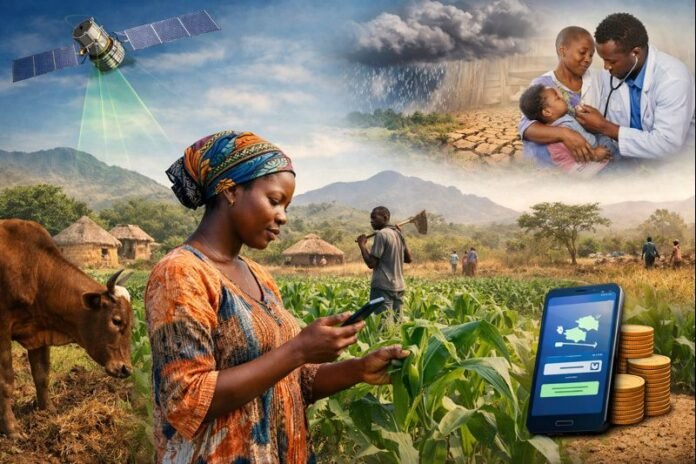
Across rural Africa, uncertainty has long been a fact of life. A single drought can wipe out a season’s harvest. A sudden illness can push an entire household into poverty. Livestock disease, flooding, or market shocks often leave families with no financial safety net. For decades, traditional insurance wasn’t built for these realities.
That is changing.
Microinsurance is quietly reshaping rural Africa by offering affordable, accessible financial protection to millions of people who were previously excluded from formal insurance systems. More than just a financial product, microinsurance is becoming a powerful development tool—helping farmers, traders, and families manage risk, recover faster from shocks, and invest confidently in their futures.
Understanding Microinsurance in the African Context
Microinsurance is designed for low-income populations. Unlike conventional insurance, it features:
- Low premiums tailored to irregular incomes
- Simple policy terms that are easy to understand
- Flexible payment models are often linked to mobile money.
- Fast claims processing, sometimes automated
In rural Africa, where incomes depend heavily on agriculture and informal trade, these features are not optional—they are essential.
Traditional insurers historically avoided rural markets due to high operational costs and perceived risk. Microinsurance reverses this logic by using technology, partnerships, and scale to make protection viable for both providers and policyholders.
Why Rural Africa Needs Microinsurance More Than Ever
Climate Risk Is Rising
Climate change has made weather patterns increasingly unpredictable. Rain-fed agriculture, which supports the majority of rural households, is now more vulnerable than ever. Delayed rains, prolonged droughts, and flooding can devastate livelihoods overnight.
Microinsurance—especially index-based insurance tied to rainfall or satellite data—automatically pays out when predefined conditions are met. This removes the need for lengthy claims investigations and ensures farmers receive support when it matters most.
Health Shocks Drive Poverty
In many rural communities, healthcare expenses are paid out of pocket. One serious illness can force families to sell assets, pull children out of school, or take on high-interest debt.
Micro health insurance helps cover basic medical costs, making healthcare more accessible and reducing the long-term economic damage of illness.
Informal Economies Need Flexible Protection
Most rural Africans work outside the formal economy. Their incomes are seasonal, unpredictable, and often cash-based. Monthly insurance premiums, fixed contracts, and paperwork-heavy processes don’t work.
Microinsurance adapts to these realities through pay-as-you-go models, daily or weekly premiums, and digital enrollment via mobile phones.
How Microinsurance Is Transforming Rural Africa in Practice
1. Empowering Smallholder Farmers
Smallholder farmers produce most of Africa’s food, yet they face enormous risk. Microinsurance allows them to:
- Recover quickly after crop failure.
- Access to credit, as insured farmers are seen as lower risk by lenders
- Invest in better seeds, tools, and fertilizers.
When farmers know they are protected, they are more willing to adopt productivity-enhancing practices rather than stick to survival strategies.
2. Accelerating Financial Inclusion
Microinsurance often serves as a gateway to the broader financial system. Once people experience the value of insurance, they are more likely to use savings accounts, digital wallets, and microloans.
Mobile-based insurance products, in particular, have expanded financial access in remote areas where banks are nonexistent.
3. Strengthening Women’s Economic Resilience
Women make up a large share of rural entrepreneurs and farmers, yet they are disproportionately affected by economic shocks. Microinsurance products tailored to women—covering health, maternity, and small businesses—help protect income streams and household stability.
In many cases, women enrolled in microinsurance are better positioned to maintain their enterprises even during crises.
4. Reducing Dependence on Aid
When disasters strike, uninsured communities often rely on emergency aid, which can be slow and insufficient. Microinsurance provides immediate financial relief, allowing families to rebuild on their own terms.
Over time, this reduces dependency and strengthens local resilience.
The Role of Technology in Scaling Microinsurance
Technology is the backbone of microinsurance growth in Africa.
- Mobile money platforms enable premium collection and instant payouts.
- Satellite data and weather stations power index-based agricultural insurance
- USSD and SMS interfaces make products accessible on basic phones
- Digital claims systems reduce fraud and administrative costs.
By lowering costs and increasing transparency, technology makes insurance viable even in remote villages.
Challenges Still Holding Microinsurance Back
Despite its promise, microinsurance is not without obstacles.
Limited Awareness and Trust
Insurance is still unfamiliar to many rural households. Past experiences with informal schemes or misunderstood policies have created skepticism. Education and community engagement remain critical.
Affordability Constraints
Even low premiums can be difficult for households living close to the poverty line. Successful programs often bundle insurance with other services or subsidize premiums through partnerships.
Regulatory and Infrastructure Gaps
In some countries, outdated regulations slow innovation. Weak data infrastructure can also limit the effectiveness of index-based products.
The Future of Microinsurance in Rural Africa
The next phase of growth will likely focus on:
- Hyper-local products tailored to specific crops and regions
- Stronger partnerships between insurers, agribusinesses, and NGOs
- Integration with climate adaptation and social protection programs
- Greater use of artificial intelligence for risk modeling and fraud prevention
As trust builds and products improve, microinsurance is expected to reach deeper into rural communities, becoming a standard part of financial life rather than a niche offering.
Final Thoughts
Microinsurance is not a silver bullet, but its impact on rural Africa is undeniable. Turning uncertainty into manageable risk allows families to plan, invest, and grow with greater confidence.
How microinsurance is transforming rural Africa is ultimately a story about dignity—giving people the tools to protect what they have worked so hard to build. As coverage expands and innovation continues, microinsurance has the potential to reshape rural economies and create a more resilient future across the continent.